Nestromo
Watch Cleaning Machine for Watch Parts | Watch Washing Machine- Nestromo
Watch Cleaning Machine for Watch Parts | Watch Washing Machine- Nestromo
Couldn't load pickup availability
Professional Watch Movement Cleaning Machines vs Ultrasonic Bath

The limitation that ultrasonic waves must be transmitted effectively does not apply in rotation-based watch cleaning machines. This creates an advantage over ultrasonic devices through the use of water-free cleaning solutions, such as L&R, Elma Suprol, or hexane-based solvents. These solutions are essential for removing decades-old grime from watch movements and jewelry.
Additionally, steel parts do not rust in water-free solutions, and the rotation effect ensures a continuous flow of liquid over the surface, leaving a shiny finish. The before-and-after effect is typically remarkable.
Watch Movement Cleaning Methods: Hand Cleaning, Ultrasonic Baths, and Watch Cleaning Machines
There are three common methods for cleaning a watch movement: hand cleaning, ultrasonic cleaning, and watch cleaning machines. Regardless of the method used, the movement must first be removed from the case and completely disassembled to allow an effective cleaning process. Hand cleaning with brushes and cleaning solutions provides only limited results. It can remove loose dirt and surface contamination, but often leaves behind residues and does not restore the original brightness or finish of the parts. Ultrasonic cleaning can be an effective method, as high-frequency vibrations help remove contamination from hard-to-reach areas. However, several factors must be considered, as ultrasonic cleaning is typically performed with water-based solutions that require careful rinsing and drying procedures. Achieving a true brightening effect or restoring the original shine of movement parts generally requires professional-grade equipment and specialized processes. A dedicated watch cleaning machine is the simplest and most reliable way to achieve both effective cleaning and a bright, clean finish. For this reason, professional watchmakers have relied on dedicated watch cleaning machines for more than 70 years.
Why this machine is a must for your Watchmaking Tools
If you are passionate about vintage watch brands and are looking for a vintage watch cleaning machine for sale you have probably faced the problem that watch cleaning machines are either decades old, very expensive, or require a lot of workshop space. This machine fills a gap that has existed since the beginning of this technology. It offers professional cleaning performance with a very small footprint and can be easily stored away when not in use. The cost is below that of many used machines, while still being individually manufactured in Germany.
The machine operates quietly and has a solid, heavy feel due to its full metal construction. It is built for stability, precision, and long-term workshop use rather than lightweight consumer handling.
Each unit comes with either a high-quality 3D-printed basket or a professional Elma-compatible basket, giving you the choice between flexibility or traditional workshop-grade tooling.
About the Nestromo Watch Cleaner Machine
- Adjustable speed: 30–1800 rpm, automatic left/right rotation every 30 seconds
- Timer function: 2–15 minutes or continuous operation
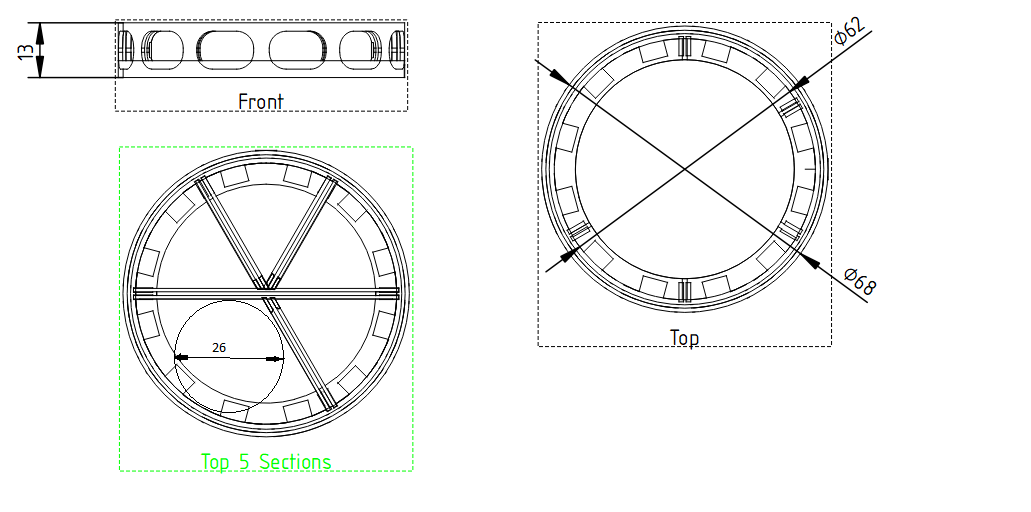
- Basket dimensions: Ø 70 mm × H 45 mm, inserts Ø 62 mm
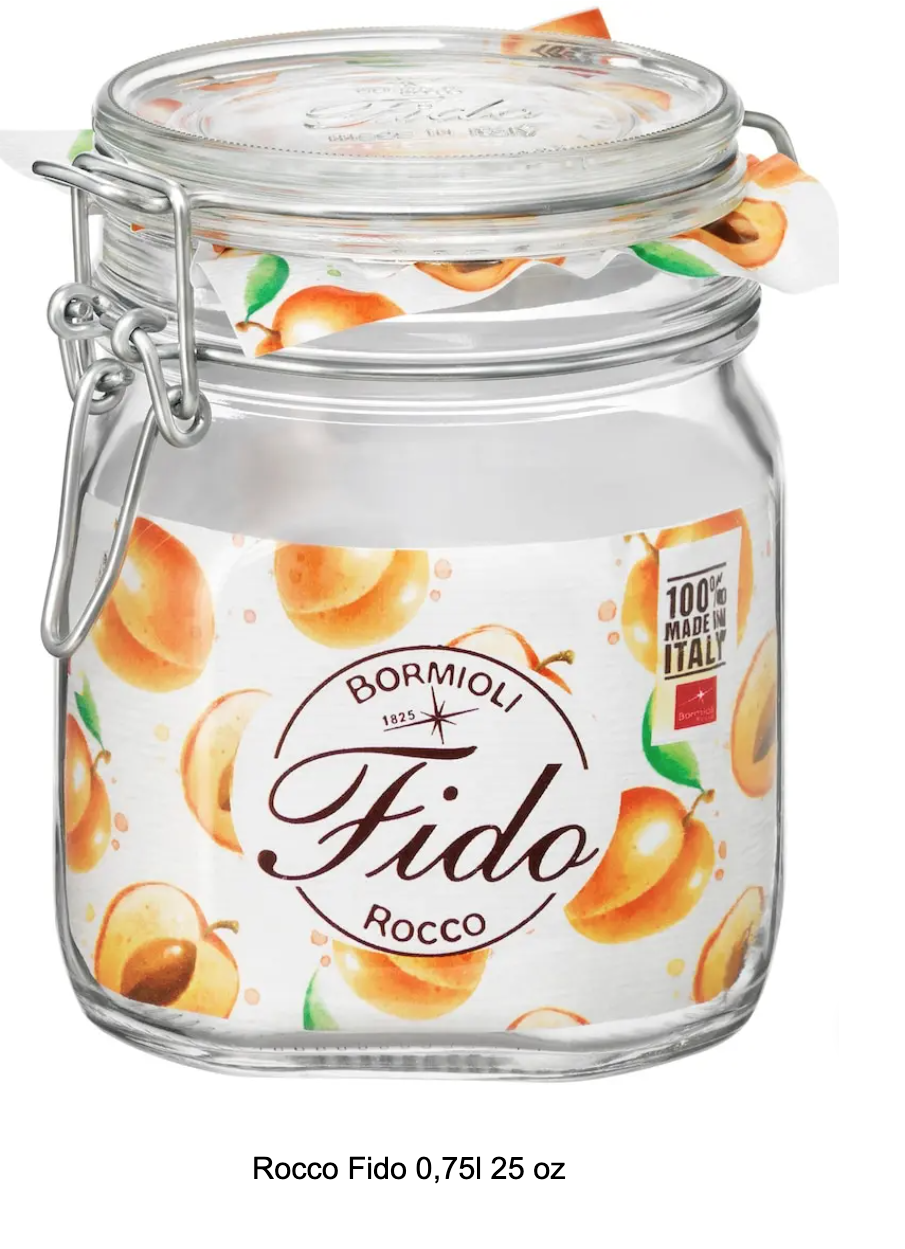
- Included: machine, power supply 110V/220V, 2× Rocco-Fido jars 0.75 L, basket option
- Materials: aluminum housing, stainless steel components
- Cleaning compatibility: hexane, petroleum and professional watch solvents
- Made in Germany or better made in Europe
Made in Europe – From Raw Aluminum to Finished Machine
This watch cleaning machine is manufactured entirely by hand in Germany, using materials and components from Europe wherever possible, making it truly Made in Europe.

The process starts with aluminum casting, where the housing begins as molten metal before being shaped into the first raw component.

After opening the mold, the freshly cast aluminum parts are removed and prepared for further machining.

The raw cast housing cover is then shaped and refined step by step to achieve the final dimensions and surface quality.

The surface is manually prepared and ground before the final finishing process begins.

The final result is a finished aluminum housing with a refined surface and durable coating, ready for assembly.

This machine goes a long way to avoid parts from China. A proprietary motor with dedicated electronics was developed specifically for this machine and accounts for a large part of the two-year development time. Even the copper wire comes from Germany, and the bearings are sourced from Sweden. Unfortunately, the magnets are manufactured in China, as there is currently no alternative to Neodymium magnets.
Automatic Watch Maintenance: Cleaning, Lubrication, and Service Intervals

Automatic watches are designed to run continuously and contain hundreds of small mechanical components working together with very tight tolerances. Gears, pivots, jewels, and the automatic winding system are constantly moving, creating friction that requires proper lubrication. Over time, oils can age, dry out, or become contaminated with microscopic particles from normal wear. This can increase friction, affect accuracy, reduce power reserve, and accelerate wear of the movement. A complete watch service includes disassembly, cleaning, inspection, lubrication, and adjustment. While many manufacturers recommend servicing mechanical watches approximately every 5 to 10 years, the ideal interval depends on the movement, usage, and storage conditions. That is why a proper cleaning cycle is required to remove old oils and contamination before fresh lubrication and reassembly.
Watch Movement Cleaning Procedure: A Professional Cleaning Cycle

A proper watch movement cleaning procedure requires a fully disassembled movement and a controlled cleaning process. Professional watchmakers use dedicated watch cleaning machines to ensure that every component is thoroughly cleaned before lubrication and reassembly.
A typical cleaning cycle consists of several stages: cleaning, spin drying, rinsing, and final drying. One commonly used process starts with Elma 1:9 cleaning solution, mixed according to the manufacturer’s instructions.
Example Watch Cleaning Machine Cycle
- 9 minutes cleaning with Elma 1:9 at low speed
- 3 minutes spin drying at higher speed to remove the cleaning solution
- 6 minutes rinsing with distilled water at low speed
- 3 minutes spin drying to remove remaining water
- 6 minutes final rinse with Elma Suprol or IPA (Isopropyl Alcohol) at low speed
- 3 minutes spin drying to remove the final solution
- Air drying after the cleaning cycle

A cleaning cycle typically uses around 450 ml of solution per glass. Depending on contamination levels, Elma 1:9 solution can be used for approximately 20 cleaning cycles before replacement is recommended, usually when the solution becomes cloudy and loses its original color.
With an estimated cost of around 0.50€ per movement cleaning cycle, professional watch cleaning machines provide an efficient and repeatable method for achieving clean, bright movement parts ready for inspection, lubrication, and assembly.
How to start a new hobby – entering the world of mechanical watchmaking
The world of mechanical watch movements is a fascinating and highly rewarding hobby. A great starting point is eBay, where you can find many old mechanical watch movements at very low cost. These are perfect for learning, practicing, and understanding how a movement works.
Basic tools to begin
To get started, you only need a few essential tools: simple watchmaker screwdrivers and a watch movement holder such as the Bergeon 4039. With this basic setup, you can begin carefully disassembling and exploring real mechanical movements.
Learning and inspiration
There is a large amount of literature and many YouTube videos available that explain the fascinating functionality of mechanical watchworks in detail. Combining hands-on practice with theory is the best way to develop a real understanding of watchmaking.
Cleaning and results
For cleaning, a common workshop approach is the use of Elma Red 1:9 together with distilled water. Proper cleaning is essential to achieve good results during reassembly.
Cleaning by hand is extremely time-consuming and often does not produce satisfactory results. Ultrasonic baths can remove dirt, but they typically do not deliver a truly bright or polished finish on watch components.
Watch cleaning machines, however, provide a much more complete result. They combine controlled mechanical action with effective solvents, allowing you to reassemble a movement that is not only clean, but visibly bright and satisfying to work with.